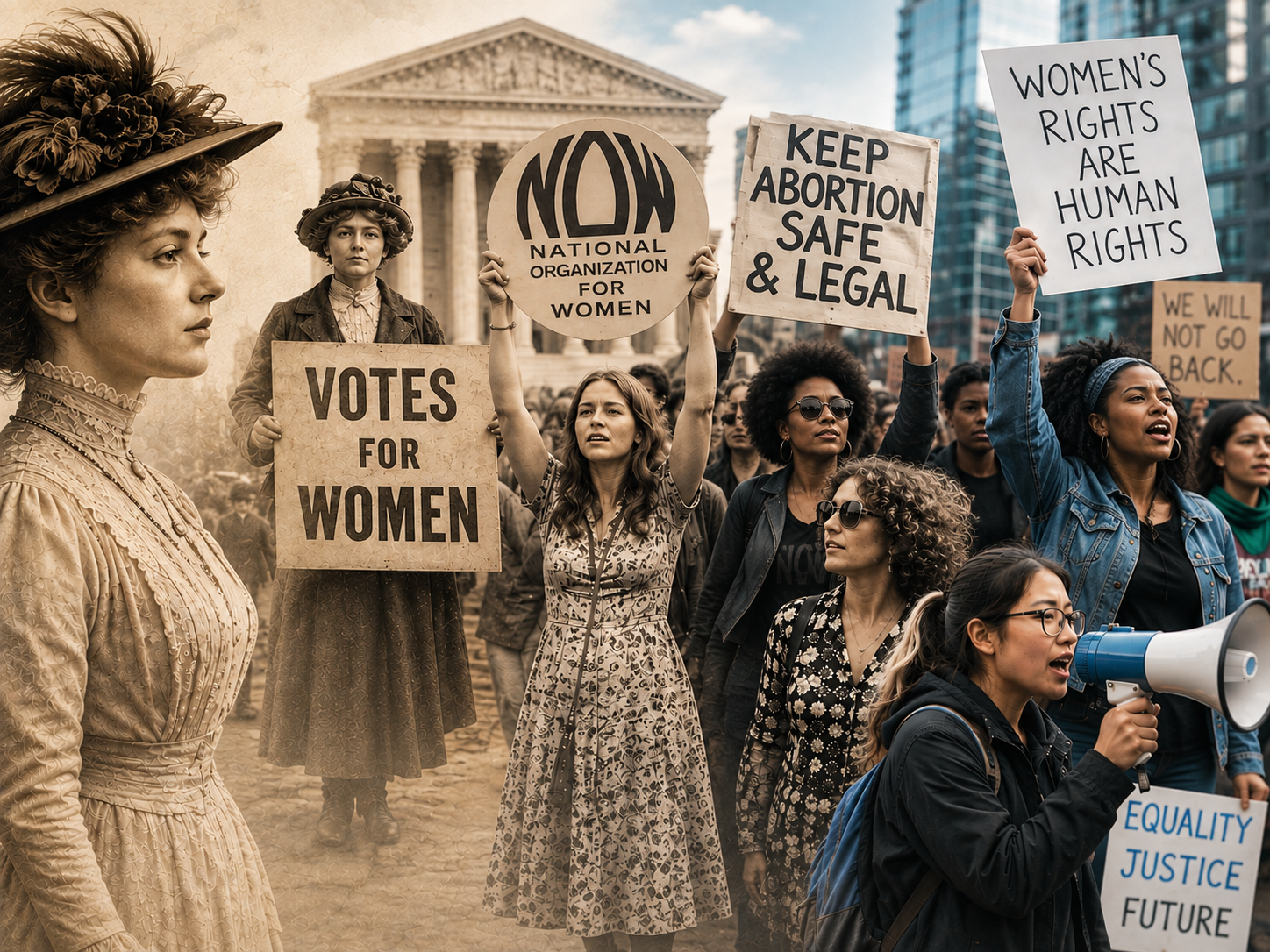
Every generation has its hatpin.
The Hatpin Laws are remembered, when they're remembered at all, as a curious footnote — municipal ordinances passed in the early twentieth century to regulate how far a hatpin could protrude from a woman's hat.
But they were never really about hatpins. They were about what happens when women find a way to defend themselves in public, and the public decides the danger worth legislating is the defense, not the threat it answered. That pattern is older than 1910 and it hasn't stopped repeating. Pinned begins with the Hatpin Laws — the clearest, most literal case of it on record — and follows the pattern wherever it leads: through suffrage, through work, through public space, into the present.
Some stories remain pinned in place until someone looks more closely.